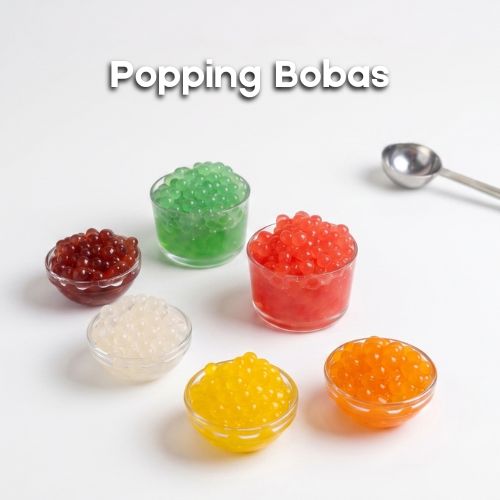





oost your drinks menu with our complete toppings collection: Grade-A tapioca pearls, burst-in-mouth popping boba, chewy jellies, nata de coco, and ready-to-use canned toppings. Bulk sizes for UK cafes and boba shops. Bulk pricing and fast UK delivery.
Rich fruit syrups and authentic sugar syrups designed for maximum flavour and easy mixing. Wholesale supply for UK boba shops, cafes, and bars.
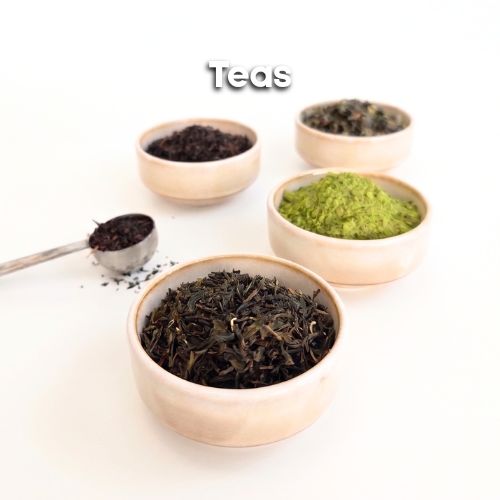
Authentic loose-leaf tea leaves (Jasmine Green tea, Assam Black tea, Matcha) alongside premium milk tea powders, taro, matcha, and fruit powders for professional boba shops across the UK.
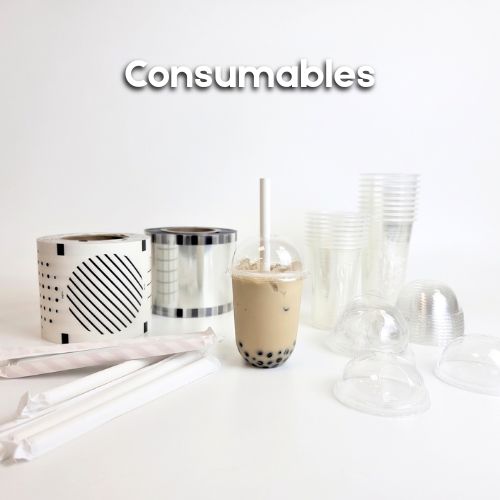
Professional equipment to streamline your shop: cup sealing machines, fructose dispensers, automatic shakers, food-grade plastic cups, sealing film, and wide boba straws with fast UK shipping.
The Sweet Spot: Transitioning from Fructose Dispensers to Automated Sugar Syrups (A Scaling Guide)
The Sweet Spot: Transitioning from Fructose Dispensers to Automated Sugar Syrups (A Scaling Guide)

For a growing bubble tea business, consistency is everything. Your customers expect the exact same level of sweetness whether they order a Classic Milk Tea at 11:00 AM or 9:00 PM.
However, as you scale up and hire more staff, maintaining that perfect balance can become a nightmare. If you are currently battling fructose dispenser calibration guides or dealing with bubble tea sugar consistency problems, you are not alone.
Below, we look at why traditional fructose machines fail during peak hours and cold weather, how to maintain them, and why upgrading your syrup strategy is the ultimate scaling secret.
The Bottleneck: Why Traditional Fructose Dispensers Fail
Most high-volume shops start with standard automatic fructose dispensers. On paper, they are brilliant. In reality, they often become the biggest bottleneck in your kitchen due to three core issues:
-
Crystallisation in Cold Weather: Sometimes the weather is unpredictable. When temperatures drop, standard fructose thickens and crystallises inside the machine’s internal pipes, leading to blockages and inaccurate pours.
-
The Calibration Drift: Fructose dispensers rely on pumps that lose accuracy over time. A machine set to dispense 30ml might start dispensing 25ml or 35ml without warning, ruining your recipe profiles.
-
Staff Consistency Across Shifts: When machines clog or drift, staff often resort to "eyeballing" the sugar levels to keep up with busy queues, leading to erratic taste profiles and unhappy customers.
The Stopgap: How to Clean and Calibrate Your Fructose Machine Weekly
Until you upgrade your system, rigorous maintenance is your only defense against consistency issues. Put this checklist into your weekly SOPs (Standard Operating Procedures):
1. Deep Clean Flush
-
Empty any remaining fructose from the machine.
-
Fill the tank with warm (not boiling) water—boiling water can damage the internal plastic.
-
Dispense the warm water repeatedly until the liquid runs completely clear and no sticky residue remains.
-
Use a small brush to clean the dispensing nozzle, as dried sugar buildup here alters the flow angle and volume.
2. The Weekly Calibration Process
To fix bubble tea sugar consistency problems, you must calibrate weekly using a digital scale:
[Place Measuring Cup on Scale] ➔ [Tare to 0g] ➔ [Dispense 10ml/10g] ➔ [Adjust Machine Settings]
-
Set your machine to dispense a standard amount (e.g., 10ml or 20ml).
-
Dispense the syrup into a cup on the scale. (Because standard fructose has a specific gravity close to water, 1ml should roughly equal 1g to 1.3g depending on your exact syrup density).
-
If the weight is off by more than 5%, enter the machine's programming mode to manually adjust the step count or flow time.
-
Repeat this test three times to ensure accuracy.
The Scale-Up Solution: Fructose Syrup and Cane Liquid Sugar
While weekly calibration helps, it doesn't solve the underlying issue: standard fructose isn't designed for the rapid, high-volume scaling of a multi-location brand.
That is where Boba Buzz’s Fructose syrup or Cane liquid sugar changes the game.
The Anti-Crystallisation Advantage: Formulated specifically to withstand fluctuating kitchen temperatures, our premium liquid fructose features an advanced anti-crystallisation blend. It maintains a perfectly fluid viscosity even during chilly winter mornings, meaning your machines won't clog, and your calibration stays accurate for longer.
By switching to a premium, highly stable syrup, you eliminate the mechanical drag on your dispensers. This ensures that whether you have two stores or twenty, every single cup tastes exactly as your recipe intended.
Frequently Asked Questions (FAQs)
Why is my automatic fructose dispenser dispensing different amounts every time?
This is usually caused by bubble tea sugar consistency problems stemming from temperature changes or internal clogging. As fructose gets colder, it becomes more viscous (thicker), making it harder for the machine's pump to push out the correct amount in the allotted time. Weekly cleaning and switching to a temperature-stable syrup like Boba Buzz Premium Fructose can fix this.
How often should I run a fructose dispenser calibration guide check?
For high-volume shops, we recommend checking the calibration once a week. If you notice customers complaining about drinks being "too sweet" or "not sweet enough" on specific shifts, check the calibration immediately.
Can I use boiling water to clean my fructose machine?
No. Boiling water can warp the internal silicone seals, plastic gears, and tubes inside the dispenser, leading to internal leaks and permanent machine damage. Always use warm, soapy water followed by a clean water flush.
Ready to eliminate the guesswork and protect your brand's flavour profile? Contact the Boba Buzz team today to sample our Premium Liquid Fructose and explore our automated syrup solutions designed for high-volume scaling.
Leave a comment
Also in Boba Buzz Blog




1