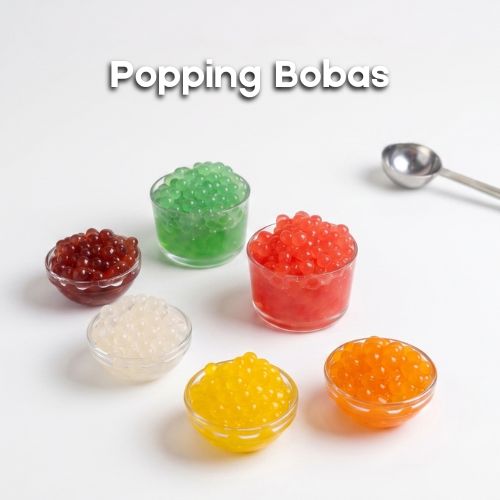




oost your drinks menu with our complete toppings collection: Grade-A tapioca pearls, burst-in-mouth popping boba, chewy jellies, nata de coco, and ready-to-use canned toppings. Bulk sizes for UK cafes and boba shops. Bulk pricing and fast UK delivery.
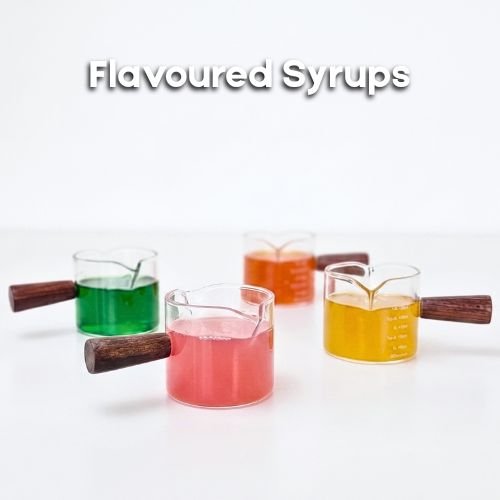
Rich fruit syrups and authentic sugar syrups designed for maximum flavour and easy mixing. Wholesale supply for UK boba shops, cafes, and bars.
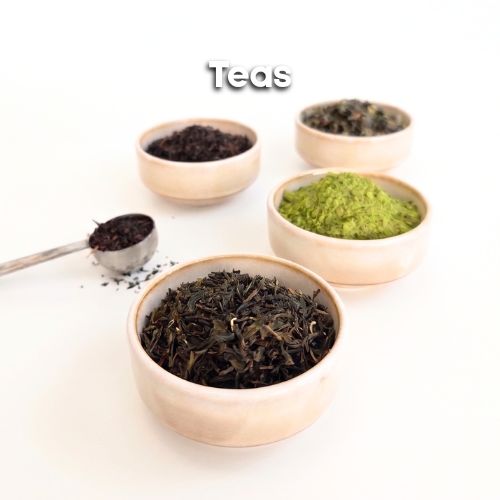
Authentic loose-leaf tea leaves (Jasmine Green tea, Assam Black tea, Matcha) alongside premium milk tea powders, taro, matcha, and fruit powders for professional boba shops across the UK.
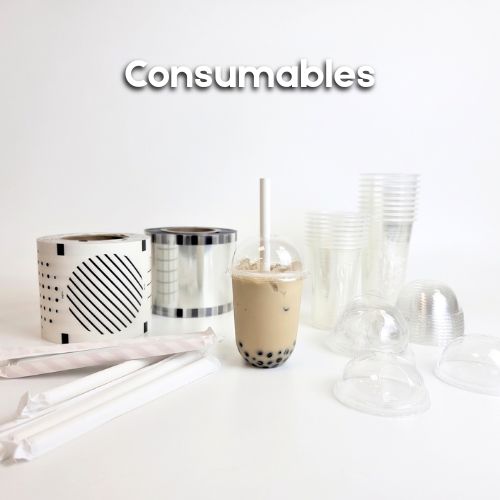
Professional equipment to streamline your shop: cup sealing machines, fructose dispensers, automatic shakers, food-grade plastic cups, sealing film, and wide boba straws with fast UK shipping.
Cheap vs Quality Bubble Tea Ingredients: How to Work Out the Real Cost Per Drink
Cheap vs Quality Bubble Tea Ingredients: How to Work Out the Real Cost Per Drink

When you're setting up or restocking a bubble tea business, it's tempting to compare suppliers by the number on the price tag. A bottle of syrup for £7 looks like a better deal than one for £12. A pack of powder at £8 beats one at £15.
But the price on the pack isn't what you actually pay. What you pay is the cost of every drink you serve, and that depends on how much product each drink needs, how often you have to remake it, and how consistent the result is.
This guide shows you how to work out the real cost per drink and why the cheapest option often ends up costing you more.
Why Price Per Pack Is Misleading
Two syrups can sit side by side on a shelf, both labelled 1 litre; they might behave completely differently in the cup:
- A concentrated, well-made syrup delivers full flavour in a small measure.
- A cheaper, thinner syrup is often mostly sugar and water, so you pour more and more to get anywhere near the flavour you want.
The same is true of powders. A budget powder can be padded with fillers, so you need a heavier scoop to get any depth of flavour, and it still might taste flat or artificial.
The pack price tells you what you pay once. Serving size tells you what you pay every single day.
The Simple Formula
Cost per drink = pack price ÷ number of drinks you actually get from it
The key words are "actually get". Don't use the serving size printed on a label or suggested by a salesperson. Use the amount you need to serve a drink. Test it, taste it, and measure it.
Quick worked method:
- Weigh or measure the amount you need to make one drink taste right
- Divide the total pack size by that amount to find drinks per pack
- Divide the pack price by drinks per pack
Example 1: Fruit Syrup
(Illustrative figures only)
| Budget syrup | Quality concentrated syrup | |
|---|---|---|
| Price per 2L bottle | £10.00 | £12.00 |
| Amount needed per drink | 60ml | 30ml |
| Drinks per bottle | ~33 | ~66 |
| Cost per drink | ~30p | ~18p |
The bottle that costs almost twice as much works out cheaper per drink. And that's before counting the drinks you'd have to remake because the flavour wasn't right.
Example 2: Flavoured Powders
(Illustrative figures only)
| Budget powder | Quality powder | |
|---|---|---|
| Price per 1kg | £8.00 | £12.00 |
| Amount needed per drink | 50g | 30g |
| Drinks per kilo | 20 | 33 |
| Cost per drink | ~40p | ~36p |
Even where the numbers are close, quality powder still wins on things a table can't show: a smoother texture, less clumping, a fuller flavour and a consistent result from one batch to the next.
Example 3: Toppings
Toppings are where cheap products often fail visibly. Consider:
- Tapioca pearls that turn mushy or hard within an hour of cooking force you to cook smaller batches more often, which wastes time, energy and product
- Popping boba that bursts in the packaging or has thin skins leads to waste and unhappy customers
- Jellies that lose their texture or sink and clump in the cup make drinks look and taste worse
Cheap toppings might save pennies per portion on paper, but if you're binning a chunk of each batch, the saving vanishes.
The Hidden Costs Nobody Puts on the Price Tag
Beyond serving size, there are costs that never appear on an invoice:
- Remade drinks. Every drink you have to redo costs you ingredients, time and the customer's patience.
- Wasted stock. Products with poor shelf life, inconsistent quality or damaged packaging end up in the bin.
- Staff time. Adjusting recipes, taste-testing each new batch and guessing at quantities takes time you're paying for.
- Lost repeat customers. A drink that tastes different from last week's is a reason for someone not to come back. That's the most expensive cost of all.
- Inconsistent batches. If flavour strength varies, your team can't rely on a standard recipe, and your menu suffers.
How to Test a Supplier's Products Properly
Ask for samples, then run a fair comparison:
- Make the same drink using each supplier's product
- Adjust each until it tastes right, and record the exact amount used
- Calculate the cost per drink using the formula above
- Taste again after a few hours, and again the next day, to check how the product holds up
- Ask a few customers or staff to blind-taste the results
A confident supplier will welcome this. If they're reluctant to offer samples, or can't tell you a realistic serving size, that tells you something too.
A Quick Cost-Per-Drink Calculator Table
Copy this into a spreadsheet and fill it in for each product you're comparing:
| Product | Pack price (£) | Pack size | Amount per drink | Drinks per pack | Cost per drink |
|---|---|---|---|---|---|
Cost Per Drink Is Only Part of the Picture
Price still matters, and there's no need to overpay. The goal is to compare like with like. When you look at the whole picture, meaning serving size, consistency, waste and customer satisfaction, quality ingredients often pay for themselves.
At Bobabuzz, we supply UK cafés, bakeries and bubble tea businesses with concentrated syrups, powders, toppings and equipment designed to deliver full flavour with less product per drink. If you'd like to test the difference yourself, get in touch to ask about samples, and see how the numbers work out for your menu.
FAQs
Is cheap bubble tea syrup a false economy?
Often, yes. Cheaper syrups are frequently thinner or less concentrated, so you need to use more per drink to get the flavour right. Once you divide the price by the number of drinks you actually get, a higher-quality syrup can work out cheaper per serving, with better taste and fewer remade drinks.
How do I calculate the cost per drink of bubble tea ingredients?
Divide the pack price by the number of drinks you can make from it, based on the amount you need to serve a drink you're happy with. Compare that figure across suppliers instead of the price per bottle or kilo.
Why are some bubble tea powders more expensive than others?
Higher-priced powders generally contain more real flavour and fewer fillers, so you use less per drink and get a smoother, more consistent result. That often narrows or reverses the price gap once you look at cost per serving.
How much syrup should I use per bubble tea?
It depends on the concentration and the recipe, so there's no single answer. Concentrated syrups typically need a smaller measure than budget ones. Ask your supplier for a recommended serving size, then test and adjust it to your own recipe and cup size.
Does ingredient quality really affect repeat customers?
Yes. Flavour and texture are what customers remember. Consistent, good-tasting drinks encourage repeat visits, while inconsistent or flat-tasting ones give people a reason to try somewhere else.
How can I test whether a supplier's product is worth the price?
Ask for samples, make the same drink with each, record how much you need to get the flavour right, and calculate cost per drink. Taste again after a few hours to check how the product holds up.
Leave a comment
Also in Boba Buzz Blog



1