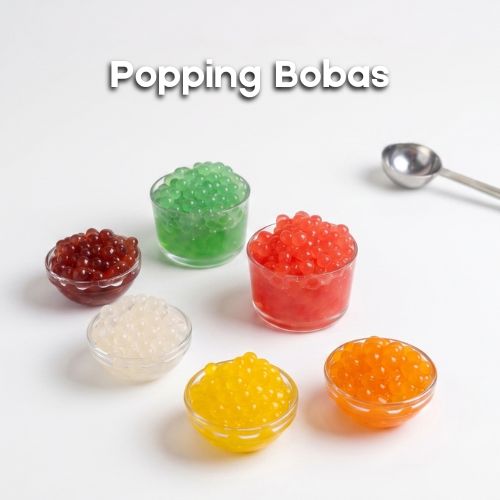




oost your drinks menu with our complete toppings collection: Grade-A tapioca pearls, burst-in-mouth popping boba, chewy jellies, nata de coco, and ready-to-use canned toppings. Bulk sizes for UK cafes and boba shops. Bulk pricing and fast UK delivery.
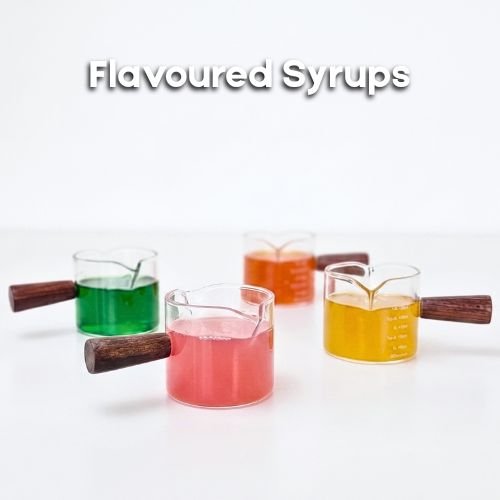
Rich fruit syrups and authentic sugar syrups designed for maximum flavour and easy mixing. Wholesale supply for UK boba shops, cafes, and bars.
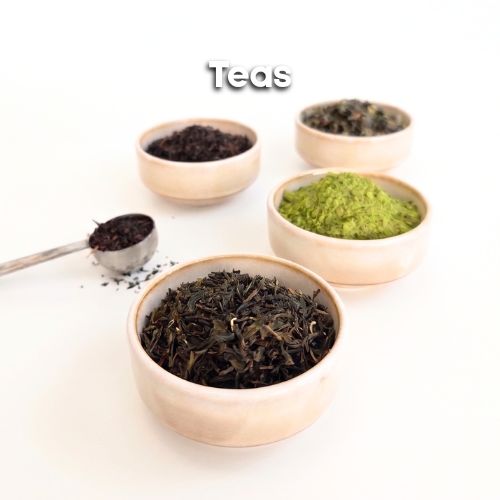
Authentic loose-leaf tea leaves (Jasmine Green tea, Assam Black tea, Matcha) alongside premium milk tea powders, taro, matcha, and fruit powders for professional boba shops across the UK.
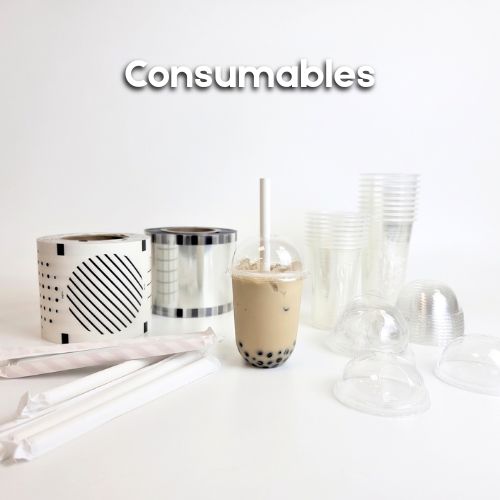
Professional equipment to streamline your shop: cup sealing machines, fructose dispensers, automatic shakers, food-grade plastic cups, sealing film, and wide boba straws with fast UK shipping.
Commercial Guide: How to Prepare Tapioca Pearls for Maximum Consistency & Profit
Commercial Guide: How to Prepare Tapioca Pearls for Maximum Consistency & Profit

For bubble tea shops, cafe owners, hospitality operators, and bubble tea startups, tapioca pearls represent both the signature product driver and a high-risk source of daily stock wastage. With raw ingredients yielding 89–92% gross margins on ingredients alone (costing roughly £0.08–£0.12 per serving), boba is one of the most profitable items on a beverage menu.
However, inconsistent preparation damages customer retention and leads to thrown-away batches. To maintain the ideal Q-texture (chewy, springy, soft centre) across an entire service, your kitchen team must follow a standardised, scalable operational process.
The Commercial Financials: Inventory & Waste Management
| Metric | Industry Standard (UK Benchmark) | Operational Target |
| Raw Pearl COGS | £0.08 – £0.12 per 30g serving | Keep under 8% total drink COGS. |
| Optimal Shelf Life | 4 to 6 hours after cooking | Zero carry-over past 6 hours |
| Batch Yield | 1kg dry pearls = ~2.5kg cooked pearls | Maximise water absorption without mushiness. |
| Target Waste Ratio | < 5% per operational shift | Stagger batch cooking to match footfall |
Standard Operating Procedure (SOP): Commercial Cooking Method
-
Yield: 30 servings (approx. 1kg cooked output)
-
Active Kitchen Time: 5 minutes prep / 25 - 35 minutes boil
-
Inactive Steeping Time: 20–30 minutes
Required Kitchen Equipment:
-
Commercial induction hob or dedicated automatic boba cooker
-
Large heavy-bottomed stockpot (minimum 10-litre capacity)
-
Colander & food-grade mixing bowl
-
Thermal insulated holding tub or sugar bath container
Step 1: Establish the 8:1 Water-to-Pearl Ratio
Boil 8 litres of water for every 1kg of dry tapioca pearls. Using insufficient water causes heavy surface starch buildup, lowering the thermal efficiency of the cook and creating a gummy, sticky texture.
Step 2: High-Heat Agitation
Once the water reaches a rolling boil, pour in the pearls. Stir vigorously for 60 seconds to ensure individual separation. Keep the burner on high until all pearls float to the top.
Step 3: Controlled Simmer (25 - 35Minutes)
Reduce heat to medium-high to maintain a steady boil. Cook uncovered for 25 - 35 minutes, depending on preference for chewiness or softness. Ensure the water continues moving the pearls to prevent sticking to the base.
Step 4: Closed-Lid Thermal Steeping (20 - 30 Minutes)
Turn off heat entirely, place a tight lid on the pot, and let it sit undisturbed for 20 - 30 minutes.
Kitchen Note: This steeping stage leverages residual heat to penetrate the core. Skipping this step to save time results in hard, chalky centers that prompt customer returns.
Step 5: Warm Water Rinse & Sugar Bath Conditioning
Drain the pot into a colander. Rinse briefly with water (avoid cold water, which causes temperature shock and hardens the outer layer). Transfer pearls into a holding bowl and stir in brown sugar syrup or sugar syrup (ratio: 100g syrup per 1kg cooked pearls).
Batch Quality Control Checklist
-
Texture Consistency: Run a "squish test" on every batch—pearls should compress fully without a dense core resisting the center.
-
Temperature Maintenance: Store conditioned pearls in a thermal food warmer or syrup bath held at 30°C–35°C. Cold storage destroys the chewy texture.
-
Staggered Production Schedule: Cook smaller, staggered batches (e.g., 500g dry every 3 hours) based on historical peak service hours to eliminate end-of-day wastage.
Frequently Asked Questions (Commercial Operations)
Q: Can cooked tapioca pearls be stored overnight for the next day's service?
A: No. Refrigerating cooked tapioca causes retrogradation—the starches recrystallise, turning the centre rock-hard. Re-boiling or microwaving yesterday's boba creates mushy exteriors with dense centres. For quality control, leftover boba must be written off at the end of the day, which makes staggered batch cooking essential to keep waste under 5%.
Q: How do we keep tapioca soft during a 4- to 6-hour service window?
A: Store the cooked pearls in a warm sugar syrup bath held at 30°C–35°C inside a thermal insulated holding tub or a dedicated commercial boba warmer. The sugar syrup acts as a natural preservative, preventing the pearls from clumping or absorbing excess ambient moisture.
Q: What equipment should we invest in to scale up high-volume boba production?
A: For low-to-medium volume, standard 10L stockpots on commercial induction hobs work well. For high-volume setups (100+ cups per day), consider an automatic tapioca pearl cooker (which automates boiling, stirring, and steeping cycles) alongside a commercial cup sealing machine and fructose dispenser to speed up assembly lines.
Q: Why are our pearls sticking together in the holding pan during service?
A: This usually happens for two reasons: skipping the warm rinse after cooking (which leaves excess loose starch on the surface) or not adding enough sugar syrup to the holding bowl. Ensure staff mix 100g of warm syrup per 1kg of cooked boba immediately after rinsing.
Leave a comment
Also in Boba Buzz Blog



1