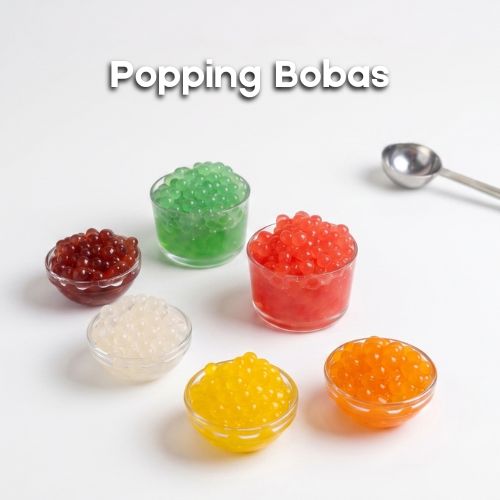




oost your drinks menu with our complete toppings collection: Grade-A tapioca pearls, burst-in-mouth popping boba, chewy jellies, nata de coco, and ready-to-use canned toppings. Bulk sizes for UK cafes and boba shops. Bulk pricing and fast UK delivery.
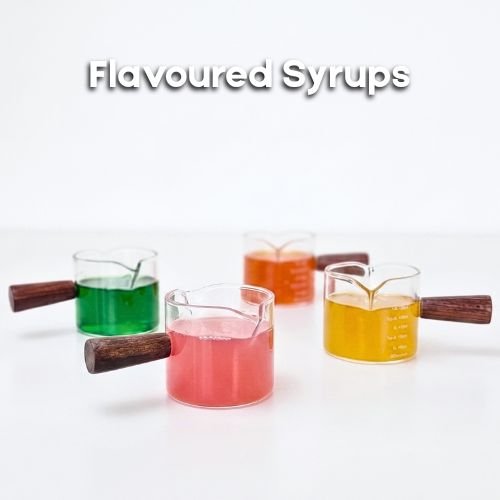
Rich fruit syrups and authentic sugar syrups designed for maximum flavour and easy mixing. Wholesale supply for UK boba shops, cafes, and bars.
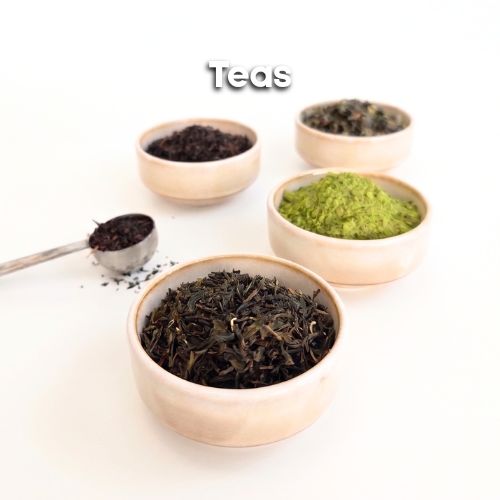
Authentic loose-leaf tea leaves (Jasmine Green tea, Assam Black tea, Matcha) alongside premium milk tea powders, taro, matcha, and fruit powders for professional boba shops across the UK.
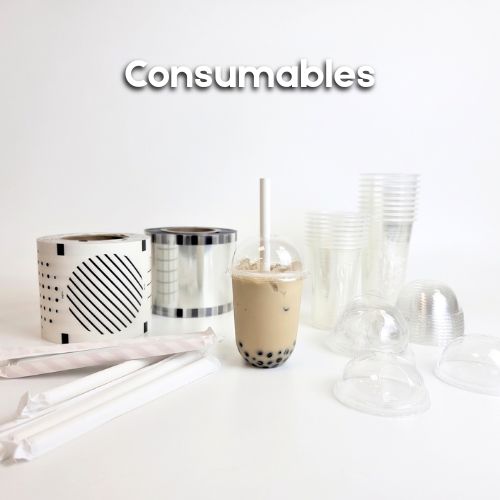
Professional equipment to streamline your shop: cup sealing machines, fructose dispensers, automatic shakers, food-grade plastic cups, sealing film, and wide boba straws with fast UK shipping.
Popping Boba vs. Tapioca Pearls: Which Topping Is Right for You?
Popping Boba vs. Tapioca Pearls: Which Topping Is Right for You?

Whether you are stepping into a bubble tea shop for the first time or perfecting your home brew, choosing the right topping can make or break your drink. While traditionalists swear by dense, chewy tapioca, fruit tea fans often lean towards juicy, flavour-packed popping boba.
Though both sit at the bottom of your glass, they offer entirely different sensory experiences. Here is a breakdown of how popping boba and tapioca pearls compare in texture, flavour, ingredients, and nutritional profile so you can pick the perfect match for your palate.
The Core Differences at a Glance
| Feature | Tapioca Pearls (Traditional Boba) | Popping Boba (Bursting Boba) |
| Texture | Soft, dense, springy, and chewy (Q-texture) | Liquid-filled skin that pops under pressure |
| Main Ingredients | Tapioca starch (cassava root) & brown sugar | Water, fruit juice, sodium alginate & calcium chloride |
| Flavour Profile | Subtle, caramelised brown sugar sweetness | Intense, vibrant fruit flavours (e.g., mango, passionfruit) |
| Best Drink Pairings | Rich milk teas, brown sugar boba, taro, matcha | Fruit green teas, iced teas, lemonades, slushies |
| Calories (per 30g) | ~70–90 kcal | ~30–40 kcal |
1. Tapioca Pearls: The Traditional Choice
Tapioca pearls—often called "black boba"—are the original staple of Taiwanese bubble tea. Made from cassava root starch, they are neutral in taste on their own and gain their signature dark colour and warm sweetness from being simmered in brown sugar syrup.
-
The Texture: They provide the famous Taiwanese Q-texture—a satisfying, elastic chewiness that adds substance to liquid drinks.
-
Best Served With: Classic milk teas, Earl Grey milk tea, taro, matcha, and brown sugar boba milk.
-
Who It’s For: Anyone who enjoys a chewy, dessert-like addition to creamy, milk-based drinks.
2. Popping Boba: The Fruity Explosion
Popping boba (also known as bursting boba or juice balls) is a modern culinary creation made using a molecular gastronomy technique called spherification. Fruit juice or flavoured liquid is encapsulated in a paper-thin, edible membrane made from sea algae extract (sodium alginate).
-
The Texture: Smooth and firm on the outside, breaking open instantly when bitten to release a rush of fruit juice.
-
Best Served With: Jasmine green teas, fruity iced teas, lemonades, slushies, and even frozen yoghurt toppings.
-
Who It’s For: Those who prefer lighter, refreshing, fruit-forward drinks and want a fun burst of flavour without heavy chewing.
Nutritional Comparison: Which Is Lighter?
If you are mindful of calorie count or dietary restrictions, the ingredients play a key role:
-
Calorie Density: Tapioca pearls are carbohydrate-dense starch, averaging around 70 to 90 calories per serving. Popping boba is primarily fruit juice and water, coming in at less than half the calories (around 30 to 40 per serving).
-
Dietary Needs: Both options are naturally gluten-free and vegan-friendly (the gel skin on popping boba is derived from seaweed, not animal gelatin). However, popping boba typically contains less sugar overall unless heavy syrups are added.
The Verdict: How to Choose
-
Choose Tapioca Pearls if you want a filling, comfort-food experience paired with warm, creamy milk teas.
-
Choose Popping Boba if you want a crisp, fruit-heavy refresher on a warm day paired with green or black iced tea.
Frequently Asked Questions (FAQs)
Are popping boba and tapioca pearls vegan and gluten-free?
Yes, both are naturally vegan and gluten-free. Tapioca pearls are made from cassava root starch, while popping boba uses sodium alginate (derived from brown seaweed) rather than animal-based gelatin to create its liquid-filled skin.
Can you put popping boba in milk tea?
While you can put popping boba in milk tea, it isn't usually recommended. The acidic, fruity juice inside popping boba (like passionfruit or green apple) can clash with creamy dairy or plant-based milks, sometimes causing curdling. Popping boba pairs best with clear fruit, green or black teas.
How should you store popping boba vs. tapioca pearls at home?
Uncooked tapioca pearls should be stored in an airtight container in a cool, dark pantry (never in the fridge). Once cooked, tapioca pearls must be consumed within 4–6 hours. Popping boba comes ready-to-eat in tub containers; once opened, keep it refrigerated in its original juice bath, where it will stay fresh for up to 2–3 weeks.
Can kids eat popping boba and tapioca pearls safely?
Popping boba is generally easier for young children to eat because the thin outer skin breaks down quickly without heavy chewing. Traditional tapioca pearls are firm and chewy, posing a potential choking risk for toddlers and young children, so adult supervision is advised.
Leave a comment
Also in Boba Buzz Blog



1