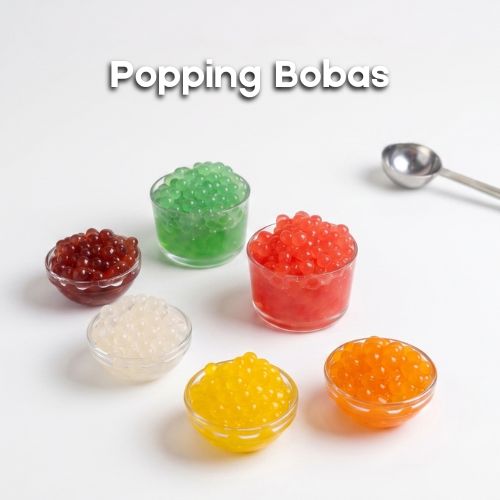





oost your drinks menu with our complete toppings collection: Grade-A tapioca pearls, burst-in-mouth popping boba, chewy jellies, nata de coco, and ready-to-use canned toppings. Bulk sizes for UK cafes and boba shops. Bulk pricing and fast UK delivery.
Rich fruit syrups and authentic sugar syrups designed for maximum flavour and easy mixing. Wholesale supply for UK boba shops, cafes, and bars.
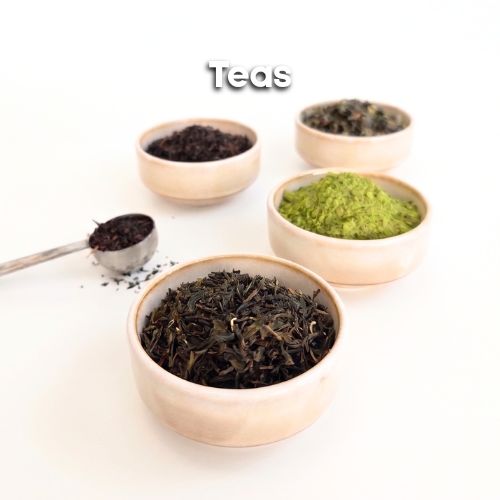
Authentic loose-leaf tea leaves (Jasmine Green tea, Assam Black tea, Matcha) alongside premium milk tea powders, taro, matcha, and fruit powders for professional boba shops across the UK.
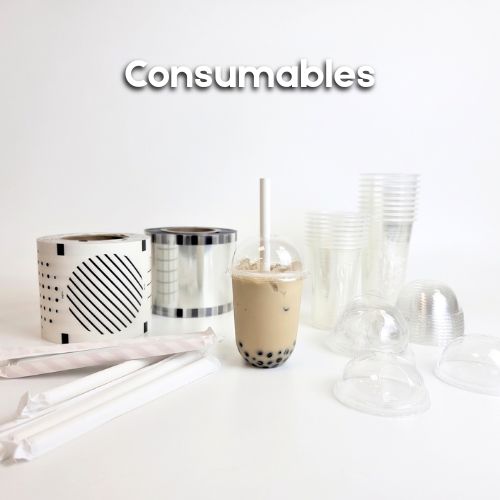
Professional equipment to streamline your shop: cup sealing machines, fructose dispensers, automatic shakers, food-grade plastic cups, sealing film, and wide boba straws with fast UK shipping.
The Science of the Perfect Sip: Preventing Clogged Boba Straws in Your Café
The Perfect Sip: Preventing Clogged Boba Straws in Your Café

As a bubble tea shop owner or manager, you know that the customer experience lives and dies by the straw. You’ve meticulously sourced the finest premium tea leaves, perfected your brown sugar syrup swirl, and dialled in your milk-to-tea ratios.
But then, disaster strikes. A customer eagerly takes their first sip of your signature popping boba, only for a rogue, oversized pearl to lodge itself firmly inside the straw. They pull harder, the pressure builds, and pop—either the straw splits, or a jet of sticky tea ruins their shirt.
The result? Furious customers, negative Google reviews, and wasted stock.
The root of this problem usually comes down to a mismatch in supply chain specifications. You order standard 12mm straws, but your new supplier sends 12.5mm popping boba, or your kitchen team rolls handmade tapioca pearls just a fraction too large.
At Boba Buzz, we believe consistency is the backbone of a profitable bubble tea business. To help you eliminate the dreaded "clog crisis", we’ve put together the definitive compatibility blueprint for standard boba straw diameters and topping dimensions.
Why Millimetres Matter: The Math Behind the Clog
In the bubble tea world, precision is everything. When ordering supplies, you must look at the inner diameter (ID) of the straw, not just the outer wall.
If a topping’s diameter is identical to the straw’s inner diameter, friction will cause it to get stuck. For a perfectly smooth, effortless sip, you need a minimum clearance buffer of 1.5mm to 2mm between the topping size and the straw wall.
Here is what happens when specifications clash:
-
The "Handmade" Hazard: While artisanal, handmade tapioca pearls vary wildly in size if not rolled with precision machinery. A batch that cooks up to 11mm will instantly choke a 12mm straw.
-
The Popping Boba Pressure: Popping boba has a delicate seaweed-extract skin sodium alginate filled with juice. If it wedges in a tight straw, the suction pressure causes it to burst prematurely inside the tube rather than in the mouth, ruining the textural experience.
The Quick-Reference Boba Compatibility Blueprint
To keep your drink assembly line running smoothly, save this definitive matching guide for your inventory manager.
| Straw Inner Diameter (mm) | Recommended Topping Types | Maximum Safe Topping Size | Best Suited For... |
|
11mm Straw (Slim/Eco-Standard) |
* Mini Tapioca Pearls * Aloe Vera Cubes * Herbal/Grass Jelly |
8.5mm | Standard iced teas with small, delicate mix-ins. Not recommended for popping boba. |
|
12mm Straw (The Industry Standard) |
* Traditional Tapioca Pearls * Standard Popping Boba * Coconut Jelly (Nata de Coco) |
10mm | The absolute sweet spot for 90% of classic bubble tea menus. Ensures a smooth draw. |
|
14mm Straw (The Jumbo Jumbo) |
* Oversized/Handmade Pearls * Thick Fruit Purees * Double-Topping Combos |
12mm | Premium, artisanal menus featuring chunky, house-made ingredients or ultra-thick smoothies. |
Pro-Tips for Sourcing and Quality Control
Preventing customer complaints requires proactive management with your suppliers and kitchen staff. Implement these three operational checks:
1. Standardise Your Sourcing Specifications
When negotiating with a bubble tea supplier, don't just ask for "large straws." Request the technical data sheet specifying the exact inner diameter in millimetres. At Boba Buzz, we explicitly label all our wholesale toppings and straw ranges to guarantee cross-compatibility.
2. Monitor Tapioca Expansion Ratios
Remember that dried tapioca pearls expand significantly during the boiling and soaking process. A dried pearl that measures 8mm can easily swell to 10.5mm after cooking. Always measure your cooked pearls when auditing menu compatibility.
3. Sieve and Size Your Jellies
Coconut jelly (nata de coco) and grass jelly are often delivered in large rectangular blocks or variable dice. Instruct your staff to use a standardised mesh sieve or pre-set dicing grids to ensure no stray chunks exceed the 10mm threshold for standard 12mm straws.
Never Compromise on the Sip
A clogged straw is an avoidable operational failure that costs you repeat business. By standardising your topping and straw diameters using our blueprint, you guarantee a flawless experience from the first sip to the last pearl.
Ready to streamline your bubble tea supply chain? At Boba Buzz, we supply premium, rigorously tested toppings and perfectly calibrated eco-friendly straws designed to work in harmony. Contact our wholesale team today for bulk samples and verified compatibility kits.
Frequently Asked Questions (FAQs)
What is the standard boba straw diameter in mm?
The definitive industry standard for a classic bubble tea straw is 12mm (outer diameter), which typically features an inner diameter of roughly 10.5mm to 11mm. This size is engineered to comfortably allow standard-sized tapioca pearls and popping boba to pass through without resistance. For mini toppings, an 11mm straw suffices, while oversized or handmade pearls require a 14mm jumbo straw.
Why is my popping boba clogging the straws?
Popping boba usually clogs straws because of a mismatch between the batch's diameter and the straw's inner clearance. If your supplier provides popping boba larger than 10mm, or if you are using narrow 11mm eco-straws, the boba will wedge in the tube. The vacuum pressure from the customer sipping then causes the delicate outer skin to burst prematurely, creating a sticky blockage.
Does the material of the straw affect clogging?
Yes, the friction coefficient varies by material. Traditional plastic straws have ultra-smooth inner walls, whereas some lower-grade paper or PLA (plant-based) eco-straws can have a slightly textured inner lining. If your toppings are borderline too large, they are far more likely to snag and clog in a paper straw than a plastic or premium smooth-walled compostable straw.
How much do tapioca pearls expand when cooked?
On average, dried tapioca pearls expand by roughly 10% to 15% in volume during the boiling and steeping process as they absorb water. When sourcing raw ingredients, always calculate your straw compatibility based on the cooked dimensions rather than the dry wholesale measurements.
Can I use the same straws for both jellies and pearls?
You can, provided the jellies are pre-cut to the correct dimensions. While spherical pearls roll smoothly, rectangular toppings like coconut jelly (nata de coco) or herbal grass jelly have sharp edges that increase friction. Ensure your jellies are diced to no larger than 8mm–10mm to safely use your standard 12mm straws.
Leave a comment
Also in Boba Buzz Blog




1