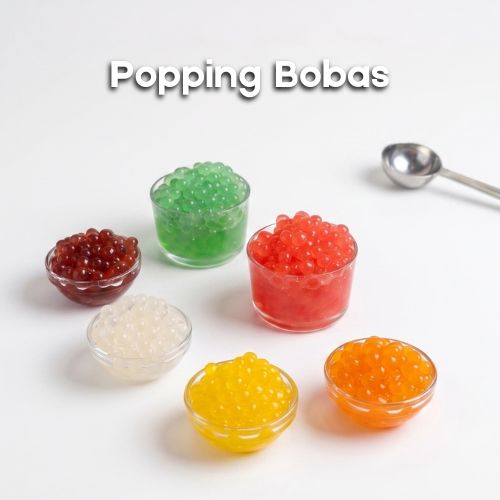





oost your drinks menu with our complete toppings collection: Grade-A tapioca pearls, burst-in-mouth popping boba, chewy jellies, nata de coco, and ready-to-use canned toppings. Bulk sizes for UK cafes and boba shops. Bulk pricing and fast UK delivery.
Rich fruit syrups and authentic sugar syrups designed for maximum flavour and easy mixing. Wholesale supply for UK boba shops, cafes, and bars.
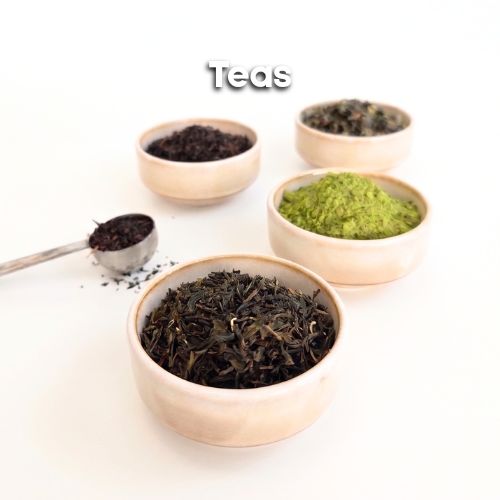
Authentic loose-leaf tea leaves (Jasmine Green tea, Assam Black tea, Matcha) alongside premium milk tea powders, taro, matcha, and fruit powders for professional boba shops across the UK.
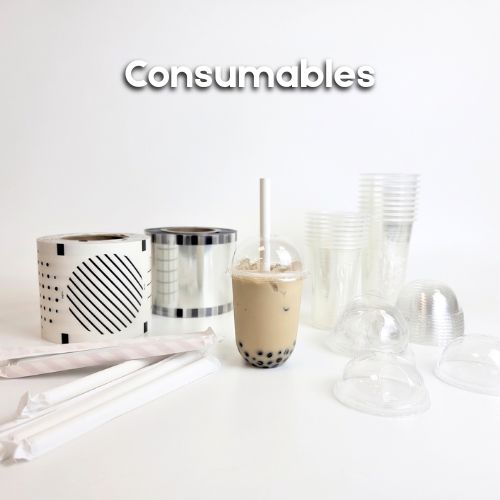
Professional equipment to streamline your shop: cup sealing machines, fructose dispensers, automatic shakers, food-grade plastic cups, sealing film, and wide boba straws with fast UK shipping.
How to Start a Bubble Tea Business: A Beginner’s Guide

Bubble tea has moved from a niche treat to a regular fixture on UK high streets. One trade report estimates there are around 1,400 specialist bubble tea shops in the UK, and many cafés, restaurants and takeaways now serve it as well.
If you’re wondering whether you could join them, this guide walks you through the process step by step, from the idea to your first customer. It’s written for complete beginners.
Is Bubble Tea a Good Business Idea?
It can be, but it isn’t a guaranteed win. Here’s an honest look at both sides.
✔️ Reasons it can work

- Strong customer appeal. The drink is especially popular with millennials and Gen Z in the UK, and customers love the mix of flavour, texture and colour.
- Flexible formats. You can open a dedicated shop, add bubble tea to an existing café or restaurant, or start with a market stall or pop-up.
- Room to grow. Market forecasts differ between research firms, but most point to continued growth. One estimate expects the UK market to reach US$572.3 million by 2033, while others are more cautious, so treat forecasts as a rough guide only.
❓ Things to be realistic about
- Competition. In busy areas, you may be up against established chains and independents. One trade article noted that sales have been falling slightly across one large group, which is a reminder that the market isn’t risk-free.
- Running costs. Rent, staff, ingredients and equipment all add up.
- Standing out. You’ll need a clear idea of what makes your drinks, brand or location different.
Step 1: Decide What Type of Bubble Tea Business You Want
Your first decision shapes everything else, including your budget. Common options:
| Business model | Best for | Typical level of investment |
|---|---|---|
| Add bubble tea to an existing menu | Cafés, restaurants, dessert shops, takeaways | Lowest |
| Market stall or pop-up | Testing demand cheaply | Low |
| Mobile cart or event catering | Festivals, weddings, private events | Low to medium |
| Dedicated bubble tea shop | Full-time, dedicated brand | Highest |
| Franchise | People who want a ready-made system | Varies by brand |
If you’re new to the industry, starting small is often the safest way to learn what customers want before you commit to a lease. On franchising, one UK franchise directory suggests costs of between £10,000 and £45,000 for a single location, but fees vary a lot between brands, so always ask for a full breakdown and speak to existing franchisees first.
Step 2: Research Your Market and Customers
Before you spend anything, spend a week researching:
- Who lives and works nearby? Students, office workers, families and shoppers all behave differently.
- Who else sells bubble tea? Visit competitors. Note their prices, flavours, queue times and what customers say about them.
- What’s missing? Perhaps nobody nearby offers vegan options, low-sugar drinks or a good range of fruit teas.
- What sells in the UK? Fruit flavours are the most popular in the UK market, and black tea is the most commonly used base. That’s useful to know when planning your first menu.
Step 3: Write a Simple Business Plan
You don’t need a 50-page document. A clear plan should cover:
- Your concept. What you’ll sell, to whom and where.
- Your menu and pricing. Start with a small range.
- Your start-up costs. Equipment, stock, fit-out, branding, insurance and a cash buffer.
- Your running costs. Rent, wages, ingredients, cups, utilities, card fees and marketing.
- Your sales forecast. Be cautious. Estimate how many drinks you could realistically sell on a quiet day, not just a good one.
- Your break-even point. How many drinks per day cover your costs?
A useful rule of thumb is to work out your cost per cup first. Add up the flavouring, tea, milk, cup, lid, straw and toppings. Then check that your selling price leaves a healthy margin after wages and rent.
Step 4: Understand the Legal Basics (UK)
This is the part that worries beginners most, but the essentials are straightforward. Always confirm the details with your local council, because requirements can vary.
Register your food business.
You must register your food business with your local authority at least 28 days before you start trading. Registration is free and can’t be refused. You’ll need details such as your trading name, address, business type and planned opening date. Register through the official GOV.UK service, but try not to register too early, and wait until you’re close to opening.
After you register, the council may ask you to complete a self-assessment form and will aim to inspect your business within a set period after you start trading.
Get your food hygiene training.
Anyone handling or preparing food needs appropriate training, supervision and instruction. The Food Standards Agency recommends a Level 2 Award in Food Safety in Catering or equivalent.
Know your allergens.
This matters for bubble tea, because milk, soya and other allergens can appear in powders, creamers, syrups and toppings. Food businesses must tell customers if their food or drink contains any of the 14 allergens that must be declared by law in the UK, and staff must be trained on allergens.
For drinks you make to order, allergen information must be available to customers before they buy. If you prepare and pack drinks or food in advance on the same premises where you sell them, different rules may apply. The Food Standards Agency offers a decision tool to help you check whether your products count as “prepacked for direct sale” (PPDS). Keep a clear ingredient and allergen record for every powder, syrup and topping you stock, and ask your supplier for allergen information.
Other things to check with your council
- Premises and planning. If you’re taking on a shop unit, check the permitted use.
- Business rates and insurance. Public liability insurance is commonly needed, and employers’ liability insurance is generally required once you employ staff.
- Late-night hot drinks. If you plan to serve hot drinks late at night, check whether a licence applies.
- Waste and packaging. Check local rules on commercial waste and recycling.
A note on the sugar levy
You may see headlines about the Soft Drinks Industry Levy changing. The reforms, due from 1 January 2028, extend the levy to milk-based drinks and lower the sugar threshold, but they exclude open-top drinks sold in cafés and restaurants. The levy applies to manufacturers and importers, so it’s mainly relevant if you plan to bottle or sell packaged drinks. Keep an eye on future changes.
Step 5: Plan Your Start-Up Costs
Costs vary hugely depending on whether you start with a stall or a full shop, so rather than quote a number that may not suit you, here are the cost categories to budget for:
One-off costs
- Shop fit-out or stall setup, if applicable
- Equipment (see the checklist in Step 7)
- Initial stock of powders, syrups, tea, toppings, cups and lids
- Branding, signage and menu design
- Website, online ordering and a card payment system
- Insurance, training and legal set-up
- A cash buffer for the first few months
Ongoing costs
- Rent and utilities
- Wages
- Ingredients and packaging
- Card and delivery-platform fees
- Marketing
- Equipment servicing and replacement
Tip: get at least three quotes for every major cost, and ask suppliers whether they offer starter kits or sample packs so you can test before buying in bulk.
Step 6: Design a Simple Starter Menu
New owners often make the mistake of launching with too many flavours. A small menu means less stock, less waste and faster service.
A beginner-friendly menu could look like this:
- 3 flavoured milk teas (made with powder): such as vanilla, strawberry and chocolate
- 3 fruit teas (made with syrup): such as mango, passionfruit and strawberry, often mixed with jasmine green tea
- 3 toppings: tapioca pearls, fruit jelly and popping boba
How the drinks are made:
- Flavoured milk tea: dissolve the powder in hot water, add tea if you like, add ice, then shake until cold.
- Fruit tea: add syrup and tea to a shaker with ice and mix. It’s very quick, which helps during busy periods.
Topping pairings that work well:
- Milk teas go well with tapioca pearls, jelly or popping boba.
- Fruit teas are best with popping boba and jelly.
Not sure which to prioritise? Our guide to bubble tea powder vs syrup explains how each works for a business, so you can choose what suits your menu.
Step 7: Buy Your Equipment
A starter equipment checklist:
- A hot water supply (for dissolving powder)
- A tea brewer or urn, and containers to store brewed tea
- Shakers, or a shaking machine if you expect high volume
- A cup-sealing machine, if you serve sealed cups for takeaway
- Syrup pumps and measuring scoops, for consistent drinks
- A cooker for tapioca pearls, plus containers to keep them fresh
- Refrigeration and an ice supply
- Cups, lids, straws (check wide enough for toppings) and napkins
- Airtight containers for powder, plus labels with opening dates
- A card payment system or till
Beginner tip: start with only what your starter menu needs, then add equipment as you grow.
Step 8: Find a Reliable Supplier
Your supplier affects your taste, cost and stress levels. When comparing suppliers, ask:
- Can I taste samples before ordering a large quantity?
- Do you provide allergen and ingredient information for every product?
- What are the minimum order sizes?
- How quickly do you deliver, and what happens if I run out?
- What are the best-before dates?
- Do you offer starter kits or support for new businesses?
At Boba Buzz, we supply flavoured milk tea powders, fruit syrups and popular toppings such as tapioca pearls, jelly and popping boba to help new owners get started with confidence.
Step 9: Set Your Prices
Pricing is part maths, part psychology.
- Work out your cost per drink. Include everything: ingredients, cup, lid, straw and toppings.
- Check what local competitors charge. You don’t have to match them, but you should know where you sit.
- Charge for toppings. Many shops add a small extra fee per topping, which boosts the average order value.
- Offer sizes. A regular and a large option can raise your average spend.
- Review regularly. Check your numbers monthly and adjust if costs change.
Step 10: Market Your Business and Launch
Bubble tea is visual, so use that to your advantage.
- Instagram, TikTok and Pinterest: short clips of drinks being made, colourful topping shots and customer reactions all perform well.
- Google Business Profile: set it up before you open, with photos, opening hours and your menu. This helps you appear in “bubble tea near me” searches.
- Local partnerships: schools, universities, offices, gyms and event organisers can all be good sources of customers.
- Opening offers: a free topping or a loyalty card helps encourage repeat visits.
- Ask for reviews: early reviews build trust quickly.
- Seasonal specials: a winter or festive drink gives you something new to promote.
Common Mistakes to Avoid
- Launching with too many flavours. Keep your menu small to start with.
- Skipping the numbers. Know your cost per cup and break-even point before you open.
- Ignoring allergens. Train your team and keep your records up to date.
- Buying in bulk too soon. Test products with samples first.
- Poor consistency. Use scoops, pumps and recipe cards so every drink tastes the same.
- Weak toppings. Cook tapioca pearls in small, regular batches so they stay soft.
- Neglecting marketing. A great drink needs people to know about it.
Frequently Asked Questions
How much does it cost to start a bubble tea business in the UK?
It depends on your model. Adding bubble tea to an existing café costs far less than opening a dedicated shop. Budget for equipment, stock, branding, insurance and a cash buffer, and get several quotes.
Do I need a licence to sell bubble tea in the UK?
You generally need to register as a food business with your local council at least 28 days before you start trading. Other permissions can apply depending on your premises and opening hours, so check with your council.
Do I need food hygiene training?
The Food Standards Agency recommends that anyone handling food completes a Level 2 food safety course or equivalent. Allergen training is also required for your staff.
Is bubble tea profitable?
It can be, but profit depends on your location, prices, running costs and sales. Work out your cost per cup and break-even point before you commit.
Can I start with a stall or pop-up?
Yes. Many people test demand at markets or events before taking on a shop.
What equipment do I need to start?
At minimum: a hot water supply, tea brewing equipment, shakers, a way to cook tapioca pearls, syrup pumps, refrigeration and cups. A sealing machine is useful for takeaway.
Which ingredients are best for beginners?
Flavoured milk tea powders and fruit syrups are the simplest way to get started, because they give you consistent flavours without complicated recipes.
Ready to Start Your Bubble Tea Business?
Starting out is much easier with the right ingredients and a supplier who understands new businesses. Boba Buzz can help you build a simple, profitable starter menu.
👉 Browse Milk Tea Powders
👉 Explore Fruit Syrups
👉 Shop Tapioca Pearls, Jelly and Popping Boba
Disclaimer: this guide is general information, not legal or financial advice. Rules and costs change, so always check current requirements with your local council, the Food Standards Agency and a qualified adviser.
Leave a comment
Also in Boba Buzz Blog




1