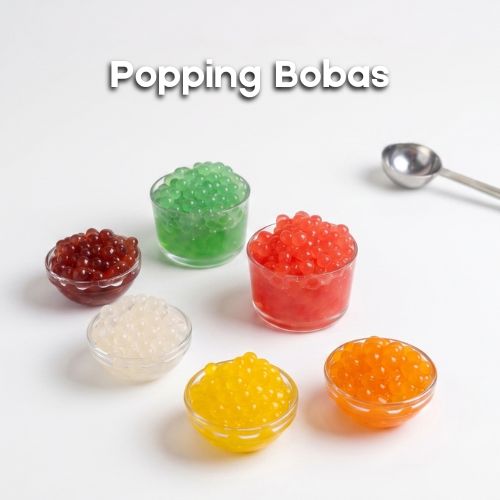





oost your drinks menu with our complete toppings collection: Grade-A tapioca pearls, burst-in-mouth popping boba, chewy jellies, nata de coco, and ready-to-use canned toppings. Bulk sizes for UK cafes and boba shops. Bulk pricing and fast UK delivery.
Rich fruit syrups and authentic sugar syrups designed for maximum flavour and easy mixing. Wholesale supply for UK boba shops, cafes, and bars.
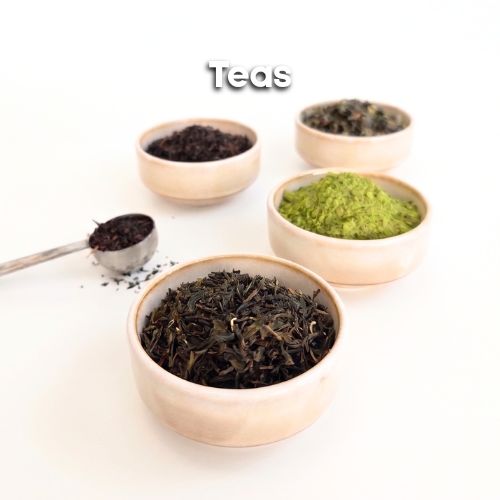
Authentic loose-leaf tea leaves (Jasmine Green tea, Assam Black tea, Matcha) alongside premium milk tea powders, taro, matcha, and fruit powders for professional boba shops across the UK.
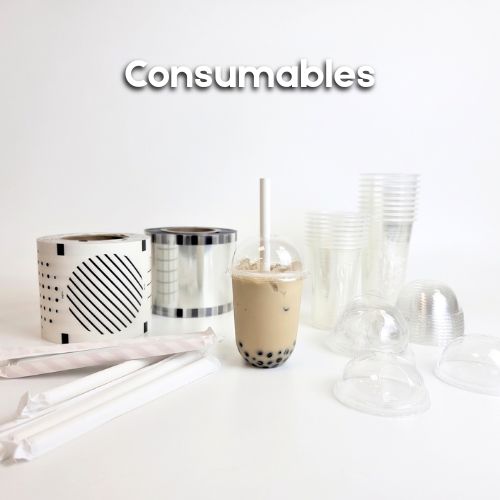
Professional equipment to streamline your shop: cup sealing machines, fructose dispensers, automatic shakers, food-grade plastic cups, sealing film, and wide boba straws with fast UK shipping.
Eliminating Bubble Tea Waste: How to Calculate and Lower Your Ingredient Spoilage
Eliminating Bubble Tea Waste: How to Calculate and Lower Your Ingredient Spoilage

As a bubble tea shop owner or manager, you know that the margins in the beverage industry can be incredibly rewarding. However, there is a silent killer lurking in your kitchen that might be draining thousands of pounds from your bottom line every year: ingredient spoilage.
In the fast-paced world of bubble tea, we frequently see shops over-preparing inventory to avoid running out during a rush. But when brewed tea loses its flavour, tapioca turns mushy, and popping boba is stored incorrectly, you aren't just throwing away ingredients—you are throwing away cold, hard cash.
Here is a comprehensive guide to understanding the average waste percentage in a bubble tea shop, calculating your losses, and implementing high-efficiency inventory strategies to maximise your profitability.
The True Cost of Waste: What is the Average Waste Percentage?
While a minimal amount of variance is expected in hospitality, excessive waste points to a systemic issue in prep routines or storage habits.
Industry Benchmark: The average waste percentage for an unoptimized bubble tea shop ranges between 10% and 15% of total inventory. High-efficiency shops, however, utilize smart sourcing and strict inventory control to keep this number under 3%.
If your shop generates £20,000 in monthly revenue with a 30% Cost of Goods Sold (COGS), a 12% waste rate means you are tossing nearly £720 worth of stock straight into the bin every single month. Over a year, that is over £8,600 in lost profit.
Commercial Storage Life Cheat Sheet
To stop the bleed, your team needs to know exactly how long brewed tea lasts commercially, alongside the shelf life of cooked versus raw ingredients. Print this quick-reference matrix out and laminate it for your kitchen prep area:
| Ingredient Type | Status | Commercial Storage Life | Best Practice Storage Condition |
| Loose Leaf Brewed Tea (Black/Green/Oolong) | Cooked/Brewed | 4 to 6 hours max | Kept in an insulated stainless steel tea barrel. Never refrigerate overnight, as it clouds the tea and ruins the flavour profile. |
| Tapioca Pearls (Boba) | Cooked | 4 hours max at the room temperature | Kept at room temperature in a sugar syrup/honey bath. Do not refrigerate cooked boba, or the core will harden. |
| Popping Boba & Jellies | Unopened | 12 to 18 months | Cool, dry place away from direct sunlight. |
| Popping Boba & Jellies | Opened | 2 weeks | Must be refrigerated, kept submerged in their original juice, and handled with sanitised slotted spoons. |
| Powders & Syrups | Unopened | 12 to 24 months | Sealed airtight in a cool, dry pantry. |
| Powders & Syrups | Opened | 2 weeks to 1 month | Fitted with clean pump dispensers; store away from heat-emitting machinery (like espresso machines or sealers). |
Two Proven Strategies to Drastically Cut Waste
Implementing a few operational shifts can completely transform your kitchen efficiency. If you want to drop your waste percentage from a costly 12% down to that elite sub-3% benchmark, focus on these two proven strategies:
1. Implement Batch-Cooking and Just-In-Time (JIT) Prep Schedules
The biggest culprit behind bubble tea waste is the "just-in-case" preparation mindset. Staff often brew massive vats of tea or cook kilograms of tapioca at 11:00 AM, hoping it will last through the evening rush. Because these ingredients only have a 4-to-6-hour peak shelf life, you end up pouring profits down the drain by 4:00 PM.
-
Create a Prep Matrix: Analyse your POS data to identify peak trading hours. Adjust your kitchen schedule so that fresh batches of tapioca and tea are timed to ready 15 minutes before your daily rushes (e.g., the lunch hour or the post-school rush).
-
Scale Down as the Day Winds Down: Transition to half-batches or quarter-batches in the final 3 to 4 hours of operation. It is far better to run slightly short on tapioca 20 minutes before closing than to discard two full kilograms at the end of the night.
2. Move from Guesswork to Data-Driven Stock Planning
Many shop owners order and prep inventory based on gut feeling, which inevitably leads to over-ordering short-shelf-life toppings or thawing too many milk tea bases. Shifting to a proactive stock planning model ensures you only buy and prepare what you are actually going to sell.
-
Establish Par Levels: A "par level" is the minimum amount of an ingredient you must have on hand to meet demand until your next delivery arrives, plus a small safety buffer. Calculate your average weekly usage for high-volume items (like popping boba, syrups, and milk powders) and set strict reorder thresholds so you never overstock capital-binding inventory.
-
Track Weather and Local Events: Bubble tea sales are uniquely sensitive to exterior factors. A hot, sunny weekend can triple your fruit tea sales, while a rainy Tuesday will leave you with excess brewed tea. Integrate a glance at the weekly weather forecast into your Sunday stock planning routine, and adjust your prep volumes up or down by 15% to 20% accordingly.
Conclusion: Turn Waste into Pure Profit
Eliminating ingredient spoilage isn't about cutting corners or risking stockouts during a rush—it is about introducing control and predictability into your kitchen. Moving your shop away from the industry-average 12% waste rate down to a tight, efficient 3% requires a shift in habits, but the financial reward speaks for itself.
By implementing just-in-time batch cooking and anchoring your inventory orders in historical data and weather patterns, you stop pouring your hard-earned revenue down the kitchen sink. Treat inventory management as a core pillar of your growth, and you will see those rescued margins hit your bank account almost immediately.
Frequently Asked Questions (FAQs)
How long does brewed tea last commercially?
Commercially, freshly brewed loose-leaf tea lasts 4 to 6 hours when stored in an insulated tea barrel at room temperature. After 6 hours, the tea begins to oxidise, losing its vibrant aroma and turning bitter. You should never store brewed tea in the fridge overnight to reuse the next day, as the temperature drop causes the polyphenols to lock up, resulting in a cloudy, unappealing beverage.
Why does my cooked tapioca get hard, and can I save it?
Cooked tapioca pearls last for a maximum of 4 hours. They turn hard because the starches undergo a process called retrogradation when they cool down. Never refrigerate cooked tapioca. To prolong their hourly lifespan, keep them at room temperature submerged in sugar syrup or dark brown sugar and honey to maintain their chewy texture. If they begin to harden slightly before the 4-hour mark, a quick 15-second steam can temporarily soften them, but they cannot be salvaged overnight.
What is the best way to store opened popping boba to prevent spoilage?
Once opened, popping boba must be kept refrigerated at all times and consumed within 1 to 2 weeks. Ensure the boba remains completely submerged in its original packing liquid to prevent the delicate seaweed-extract skins from drying out and bursting. Always use a clean, sanitised slotted spoon to scoop them out to prevent cross-contamination.
How do I calculate the exact waste percentage of my bubble tea shop?
To calculate your waste percentage, use this formula:
Waste Percentage = (Cost of wasted ingredients / total cost of ingredients purchased) x 100
Track everything for one week. Record every litre of tea poured down the sink and every kilo of expired boba on a waste sheet, attach their B2B cost values, and divide it by your total inventory spend for that week.
Need to optimise your boba shop's inventory?
At Boba Buzz, we don't just supply the UK's highest-quality bubble tea ingredients—we help you scale your business sustainably. From premium loose-leaf teas to zero-waste liquid concentrates and long-shelf-life toppings, our team is here to help you streamline your operations.
Leave a comment
Also in Boba Buzz Blog



1