
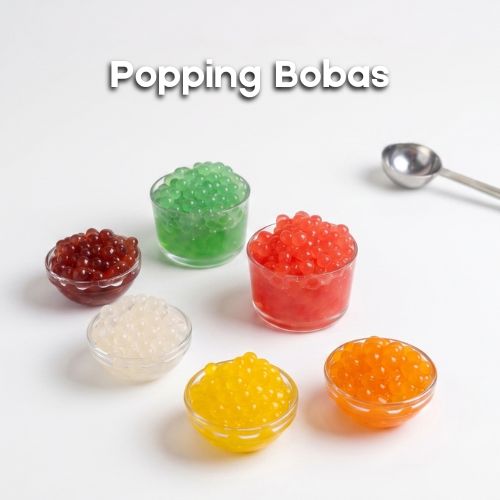






oost your drinks menu with our complete toppings collection: Grade-A tapioca pearls, burst-in-mouth popping boba, chewy jellies, nata de coco, and ready-to-use canned toppings. Bulk sizes for UK cafes and boba shops. Bulk pricing and fast UK delivery.
Rich fruit syrups and authentic sugar syrups designed for maximum flavour and easy mixing. Wholesale supply for UK boba shops, cafes, and bars.
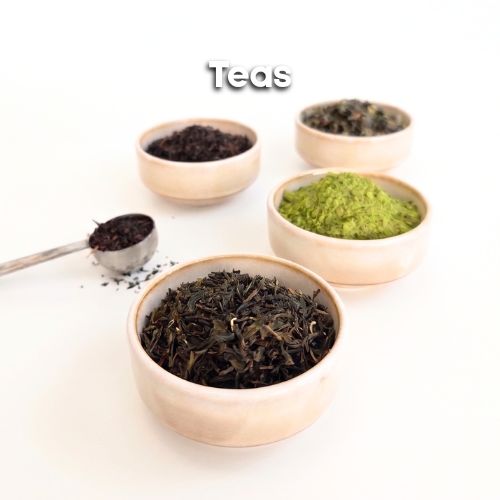
Authentic loose-leaf tea leaves (Jasmine Green tea, Assam Black tea, Matcha) alongside premium milk tea powders, taro, matcha, and fruit powders for professional boba shops across the UK.
Professional equipment to streamline your shop: cup sealing machines, fructose dispensers, automatic shakers, food-grade plastic cups, sealing film, and wide boba straws with fast UK shipping.
The Science of Boba Curdling: Why Milk Tea Separates and How to Prevent It
The Science of Boba Curdling: Why Milk Tea Separates and How to Prevent It

As a bubble tea shop owner, you know that presentation is everything. Your customers don't just buy a drink; they buy an aesthetic experience worthy of a social media post.
But few things wreck that premium experience faster than a customer looking down to see their freshly shaken passion fruit milk tea separating into an unappealing, clumpy mess.
If you have ever found yourself staring at a ruined batch wondering, "Why does my fruit milk tea curdle?", you are not alone. It is one of the most common technical hurdles that our clients ask us about at Boba Buzz.
The good news? It isn’t magic—it’s chemistry. Understanding the science behind curdling allows you to serve flawless, velvety fruit milk teas every single time.
1. The Root Cause: Why Does Fruit Milk Tea Curdle?
At its core, curdling happens because of a chemical standoff between acid and protein.
When you mix dairy milks or certain non-dairy creamer powders with highly acidic fruit syrups—such as passion fruit, lemon, green apple, or mango—the pH balance of the beverage drops drastically.

The Chemistry of Casein
Dairy milk is packed with a structural protein called casein. In a standard milk tea, these casein proteins float around happily, repelling one another because they carry a negative net charge. This keeps the milk smooth and liquid.
However, science dictates a strict threshold for these proteins:
-
The Safe Zone: Normal dairy milk has a neutral pH of around 6.5 to 6.7.
-
The Isoelectric Point: When you introduce acidic fruit syrups, the pH drops. Once the beverage hits a pH threshold of 4.6, the negative charge on the casein proteins is completely neutralised.
Without that negative charge to push them apart, the proteins collapse, clump together, and separate from the liquid. The result? A textured, curdled drink that looks split and unappetising.
2. Solutions: How to Prevent Curdling in Your Shop
You don't need to banish popular fruit milk teas from your menu. Instead, optimise your preparation process using these three industry-tested methods.
Solution A: The Sequence of Shaking (The Temperature Trick)
Proteins are far more sensitive to acid when they are warm. If you are mixing hot tea, creamer powder, and fruit syrup all at once, you are fast-tracking the curdling process.
-
The Fix: Always dissolve your creamer powder or milk into the hot tea base first, then cool the mixture down with ice before adding your acidic fruit syrup. Lowering the temperature slows down the chemical reaction, giving you a much more stable emulsion.
Solution B: Adjust the pH with alkaline neutralisers.
If a signature recipe keeps splitting because the fruit concentration is high, you can subtly tweak the chemistry behind the counter.
-
The Fix: Introduce a tiny pinch of food-grade sodium bicarbonate (baking soda) or dipotassium phosphate into your syrup blend. This slightly raises the pH of the fruit syrup, keeping the final drink safely above the dangerous 4.6 pH threshold without altering the flavour profile.
Solution C: Swap Fruit Syrups for Fruit Flavouring Powders
If your shop experiences high-volume rush hours, your staff might not have the time for delicate, multi-step shaking sequences or precise chemistry experiments.
-
The Fix: Swap out high-acid, heavy liquid fruit syrups and switch to a fruit flavouring powder instead. Liquid fruit concentrates pack a massive, immediate acid load that collapses milk proteins instantly. Fruit powders, however, deliver the same vibrant, juicy flavour fruit-tea lovers crave but with a much lower, controlled acid profile that keeps your milk base perfectly stable.
Summary Matrix for Baristas
| The Trigger | The Science | The Quick Fix |
| High Acid Syrups (Lemon, Passion Fruit) | Drops beverage pH below 4.6, neutralising protein charges. | Cool first: Add ice to the milk tea base before shaking in the syrup. |
| Hot Liquid Blending | Heat accelerates protein denaturation and clumping. | Cold-brew or chill: Never mix acid into warm dairy/casein powders. |
| High Concentrate Ratios | Overwhelms the milk’s natural buffering capacity. | Buffer the batch: Use a tiny pinch of baking soda to balance the syrup's acidity. |
Frequently Asked Questions (FAQs)
Q: Why does my passion fruit milk tea look fine at first, but split after ten minutes?
A: This is due to a delayed chemical reaction. If the pH of your drink is sitting right on the border of the $4.6$ threshold, the casein proteins won't clump instantly. However, as the ice melts and the drink sits at room temperature, the emulsion slowly breaks down, causing a delayed split.
Q: Is curdled fruit milk tea safe for customers to drink?
A: Yes, it is entirely safe. The curdling is a structural, physical reaction to acidity, not a sign of bacterial spoilage or expired milk. However, while it won't make your customers ill, the unappealing texture and look mean it will likely result in a sent-back drink and a negative review.
Q: Does oat milk or soy milk curdle less than dairy milk in fruit teas?
A: Soy milk actually curdles more easily than dairy because soy protein (glycinin) has a higher isoelectric point (around pH 5.5), making it incredibly sensitive to fruit acids. Oat milk tends to be slightly more resilient, but any plant milk with a high protein content will still struggle against heavy citrus or passion fruit acids without temperature management.
Q: How can I test if a new syrup will split my milk tea before putting it on the menu?
A: We recommend conducting a simple kitchen bench test. Mix your standard ratio of milk/creamer and tea, then slowly stir in your new syrup. Let it sit on the counter for 30 minutes. If you see visual separation or a grainy texture forming on the sides of the cup, you will need to adjust the recipe using the cooling method or a pH buffer before launching it.
Leave a comment
Also in Boba Buzz Blog





1