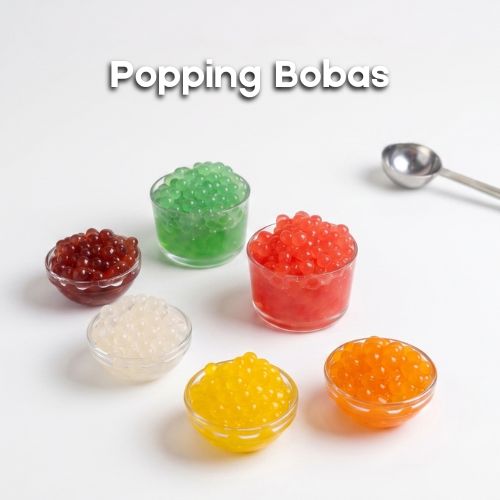





oost your drinks menu with our complete toppings collection: Grade-A tapioca pearls, burst-in-mouth popping boba, chewy jellies, nata de coco, and ready-to-use canned toppings. Bulk sizes for UK cafes and boba shops. Bulk pricing and fast UK delivery.
Rich fruit syrups and authentic sugar syrups designed for maximum flavour and easy mixing. Wholesale supply for UK boba shops, cafes, and bars.
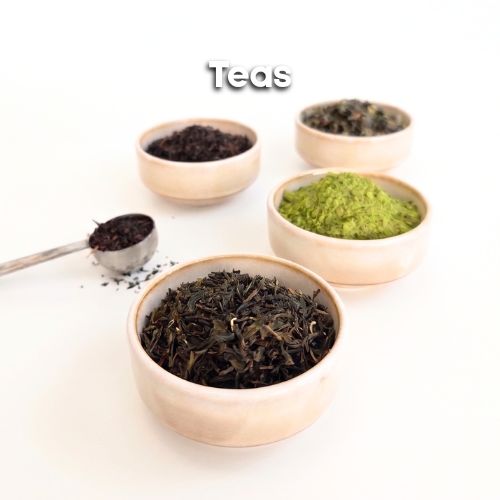
Authentic loose-leaf tea leaves (Jasmine Green tea, Assam Black tea, Matcha) alongside premium milk tea powders, taro, matcha, and fruit powders for professional boba shops across the UK.
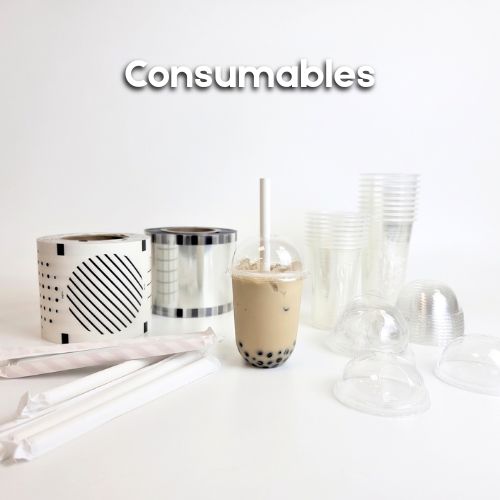
Professional equipment to streamline your shop: cup sealing machines, fructose dispensers, automatic shakers, food-grade plastic cups, sealing film, and wide boba straws with fast UK shipping.
How to Fix Hard or Mushy Tapioca Pearls: The Ultimate Commercial Troubleshooting Guide
How to Fix Hard or Mushy Tapioca Pearls: The Ultimate Commercial Troubleshooting Guide

For a bustling bubble tea shop, consistency isn't just a quality metric—it’s your bottom line. There is nothing faster at destroying customer retention than a loyal patron biting into a stray, rock-hard centre or swallowing a mouthful of slimy, overcooked mush.
In the bubble tea world, inconsistent boba texture usually points to two culprits: fragmented staff training and a misunderstanding of starch science. When different shift workers cook batches differently, your waste metrics skyrocket, and your reputation takes a hit.
This masterclass will troubleshoot exactly why your wholesale tapioca pearls are failing, the science behind the perfect chew, and how to standardise your commercial kitchen workflow.
The Science of the Perfect Chew: Starch Gelatinisation
To fix a texture problem, we first have to understand what happens inside the pearl. Tapioca is pure cassava starch. In its raw, dried state, it is a tightly packed matrix of molecules.

-
The Cooking Phase: When you drop pearls into boiling water, you trigger starch gelatinisation. The starch molecules absorb water and heat, causing the intermolecular bonds to break and the granules to swell. This creates that coveted Q-texture (the perfect bouncy chew).
-
The Holding Phase: The moment the pearls begin to cool, retrogradation begins. The starch molecules realign themselves and recrystallise. If they cool too fast or sit too long, they kick out water and revert to a hard, chalky state.
Troubleshooting: Why Are My Tapioca Pearls Failing?
1. "Why Are My Tapioca Pearls Getting Hard?"
If your pearls have a hard, chalky core or turn into marbles shortly after serving, the causes are usually standard:
-
Insufficient Cooking Time: The starch gelatinisation never reached the very center of the pearl.
-
Rushing the Rest Phase: The pearls need to steam in their own residual heat to lock in the moisture. Skipping this step leaves the core undercooked.
-
Poor Holding Temperatures: Storing cooked boba below 20°C accelerates retrogradation, causing them to harden almost instantly.
2. "Why Are My Tapioca Pearls Mushy and Slimy?"
If your boba is losing its structural integrity and melting into a gooey mess, look at these factors:
-
Over-boiling: Breaking down the starch matrix completely until it dissolves.
-
Inadequate Rinsing: Failing to wash away the excess surface starch after cooking, which creates a slimy coating.
-
The Rice Cooker Trap: Leaving boba on the "Warm" setting in a standard rice cooker for over 4 hours literally slow-cooks them into mush.
Commercial Equipment: Professional Holding Pans vs. Rice Cookers
Many start-up cafes default to using standard rice cookers to hold cooked boba. While budget-friendly, this is a primary cause of the stock wastage.
| Feature | Standard Rice Cooker (Warm Setting) | Professional Heated Holding Pan (Bain Marie) |
| Temperature Control | Unregulated, often exceeds 70°C (Overcooks) | Precise control (Optimally 60°C to 65°C) |
| Texture Longevity | 1.5 to 2 hours maximum | 4 to 6 hours perfectly preserved |
| Moisture Retention | Dries out the top layer, creates a crust | Even humidity, prevents surface skinning |
| B2B Bottom Line | High wastage, inconsistent day-to-day quality | Minimal waste, identical texture for every shift |
The Verdict: To guarantee a consistent customer experience, invest in a digital induction holding pan or a specialised commercial boba warmer. Maintain your sugar-syrup soaked pearls between 60°C and 65°C. This stops retrogradation without continuing to cook the starch.
The Definitive Commercial Cooking Timeline
Print this master timeline, laminate it, and mount it directly above your commercial boiling stations to eliminate staff variation.
(Note: This timeline is optimised for standard 8.5mm wholesale black tapioca pearls. Always check your Boba Buzz specification sheet for minor variances).
[Boil: 35 Mins] ──> [Rest/Steam: 35 Mins] ──> [Rinse: 2 Mins] ──> [Coat & Hold: 60-65°C]
1. The Boiling Phase (35 Minutes)
-
Ratio: Use a strict 1:10 ratio (1kg of tapioca pearls to 10 litres of water). Insufficient water leads to a starchy sludge.
-
Action: Bring water to a rolling boil. Slowly pour in the pearls while stirring gently to prevent clumping.
-
Timer: Once the pearls float to the top, cover with a lid (leaving a slight vent) and boil on medium heat for 35 minutes.
2. The Resting Phase (35 Minutes)
-
Action: Turn off the heat completely. Move the pot off the burner.
-
Timer: Clamp the lid on tight and let the pearls steam in their own residual heat for 35 minutes. Do not open the lid during this time. This ensures the core is fully gelatinised.
3. The Rinsing Phase (2 Minutes)
-
Action: Drain the hot water through a commercial colander. Rinse the pearls thoroughly under cold running water (or an ice bath) for 2 minutes while gently agitating.
-
Why? This shocks the starch, locking in the chewy outer texture, and strips away the gummy surface starch.
4. The Coating & Holding Phase
-
Action: Transfer the cooled, drained pearls into your heated holding pan. Immediately mix with brown sugar syrup or fructose. The sugar acts as a natural preservative and stops the pearls from sticking together.
Frequently Asked Questions (FAQs)
Can we revive hard tapioca pearls that have sat out too long?
In a commercial environment, we do not recommend trying to revive pearls for customers. While microwaving or re-boiling them momentarily softens the starch, it completely destroys the structural integrity. The pearls will become unpleasantly mushy within minutes. It is better for customer retention to discard the batch and brew fresh.
How long can cooked tapioca pearls be kept at room temperature?
At ambient room temperature (approx. 21°C), cooked pearls coated in syrup will remain at peak texture for about 4 hours. After this window, retrogradation makes them unpleasantly firm. For high-volume operations, using a dedicated warming pan extends this window up to 6 hours.
Why are our pearls cracking or breaking before we even cook them?
If raw pearls are crumbling right out of the wholesale bag, they have been exposed to air or moisture fluctuations. Raw tapioca pearls must be kept vacuum-sealed. Once a bulk bag is opened, store the unused raw pearls in an airtight container in a cool, dry pantry—never in the fridge or freezer, as this introduces moisture that compromises the starch structure before cooking.
Does the type of sugar syrup affect the texture during holding?
Yes. Using high-fructose corn syrup or specialist brown sugar syrups creates an osmotic balance that helps retain moisture inside the pearl. Plain granulated sugar dissolved in water can sometimes crystallise faster, which can make the exterior of the pearls feel slightly grainy or tough after a few hours.
Need to upgrade your café's beverage program? At Boba Buzz, we supply premium, reliably manufactured wholesale tapioca pearls and machinery designed to keep your workflows efficient and your customers coming back. Contact our B2B trade team today for samples and tailored staff training guides.
Leave a comment
Also in Boba Buzz Blog



1